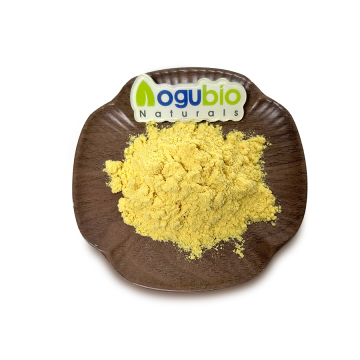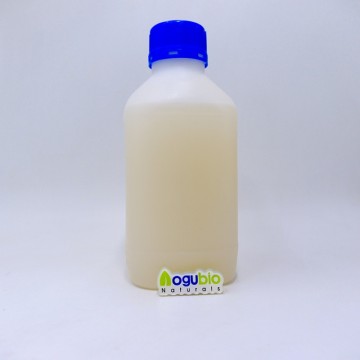
Retinol — a derivative of Vitamin A — is one of the most extensively researched and clinically validated ingredients in modern dermatology and cosmetic science. Its ability to accelerate cellular turnover, inhibit melanin overproduction, and stimulate collagen synthesis makes it uniquely effective for treating hyperpigmentation, dark spots, melasma, and post-inflammatory discoloration.
When applied topically, retinol is converted by skin enzymes into retinoic acid, the biologically active form that binds to nuclear receptors and regulates gene expression. This process directly suppresses tyrosinase activity — the key enzyme responsible for melanin synthesis — resulting in visibly lighter, more even-toned skin over consistent use.
🔬 "Retinol remains the gold standard active ingredient for combined anti-aging and hyperpigmentation correction — backed by over four decades of clinical research and unmatched consumer adoption worldwide."
Hyperpigmentation occurs when melanocytes — the pigment-producing cells in the skin — become overactive due to UV exposure, hormonal fluctuations, inflammation, or aging. Retinol addresses this at multiple biological levels:
Retinol downregulates the expression of tyrosinase and related enzymes (TRP-1, TRP-2), directly reducing the production of melanin pigment at the cellular level.
By promoting keratinocyte proliferation and desquamation, retinol speeds the shedding of pigmented surface cells, revealing fresher, brighter skin underneath.
Retinol disrupts the transfer of melanosomes from melanocytes to keratinocytes, preventing pigment from spreading and concentrating in visible dark patches.
Post-inflammatory hyperpigmentation (PIH) — common after acne, eczema, or injury — is mitigated by retinol's ability to reduce inflammatory cytokines that trigger excess melanin production.
Global retinol skincare market value in 2024, projected to exceed $2.1B by 2030
Compound Annual Growth Rate (CAGR) of the retinol ingredient market through 2030
Of consumers surveyed cite hyperpigmentation and dark spots as their primary skincare concern
The global market for retinol-based skincare has experienced extraordinary growth over the past decade, driven by increasing consumer awareness of evidence-based ingredients, the rise of the "skincare science" movement, and the expansion of the prestige beauty segment. The hyperpigmentation treatment category — which includes serums, creams, and targeted spot treatments featuring retinol — represents one of the fastest-growing segments within the broader cosmeceutical industry.
Asia-Pacific markets, particularly China, South Korea, Japan, and India, have emerged as dominant growth drivers, with consumers in these regions demonstrating strong demand for brightening and tone-correcting formulations. North America and Europe continue to lead in premium retinol product adoption, while emerging markets in the Middle East, Latin America, and Southeast Asia are experiencing accelerated uptake.
From an industrial perspective, the demand for high-purity, stable retinol raw materials has intensified significantly. Formulators require retinol that maintains potency throughout the product lifecycle, which has driven investment in advanced encapsulation technologies, stabilization systems, and delivery platforms that protect retinol from oxidation and degradation.
Microencapsulation technology now allows retinol to be delivered in a controlled, time-released manner — significantly reducing irritation while maintaining efficacy for dark-spot reduction. This innovation has opened the door to higher-concentration retinol products suitable for sensitive skin types.
Formulators are increasingly combining retinol with complementary brightening actives such as niacinamide, tranexamic acid, kojic acid, and plant-derived tyrosinase inhibitors to create synergistic multi-pathway approaches to hyperpigmentation treatment.
Artificial intelligence and skin analysis technology are enabling personalized retinol regimens tailored to individual skin tone, melanin density, sensitivity levels, and specific hyperpigmentation patterns — transforming the one-size-fits-all approach to targeted skincare.
Bakuchiol, retinyl palmitate, hydroxypinacolone retinoate (HPR), and retinaldehyde are gaining traction as retinol alternatives or adjuncts, particularly in markets with regulatory restrictions on retinol concentration — creating new formulation opportunities.
Consumer demand for clean-label, sustainably sourced, and cruelty-free retinol ingredients is reshaping supply chains. Biotechnology-derived retinol through fermentation processes is emerging as a sustainable alternative to conventional synthesis routes.
Direct-to-consumer retinol skincare brands leveraging social media, influencer marketing, and subscription models have disrupted traditional retail channels, democratizing access to clinical-grade retinol formulations for dark spot correction globally.
High-potency retinol serums (0.1%–1.0%) formulated with stabilizing antioxidants and hyaluronic acid represent the premium segment of the dark-spot treatment market. These products deliver concentrated retinol directly to hyperpigmented areas with maximum bioavailability.
Dermatologists and aesthetic clinics utilize prescription-strength retinoids (tretinoin 0.025%–0.1%) for severe melasma and persistent hyperpigmentation. The professional channel represents a significant B2B opportunity for pharmaceutical-grade retinol raw material suppliers.
Innovative formulation chemistry now enables stable retinol incorporation into SPF-containing daytime moisturizers, creating dual-action products that simultaneously treat existing dark spots while preventing UV-induced new pigmentation — a growing product category.
Sleep-time retinol delivery systems — including overnight masks, sleeping packs, and occlusive night creams — leverage the skin's natural repair cycle to maximize retinol absorption and melanin-suppression activity during the body's peak regeneration window.
Low-concentration retinol formulations (0.01%–0.05%) specifically engineered for the delicate periorbital area address dark circles caused by hyperpigmentation, thinning skin, and vascular pooling — a specialized niche with significant premium pricing potential.
Retinol-based body lotions, elbow/knee brighteners, and targeted spot-correction sticks address hyperpigmentation on non-facial areas including the neck, décolletage, hands, and body — a rapidly expanding category in the inclusive beauty movement.
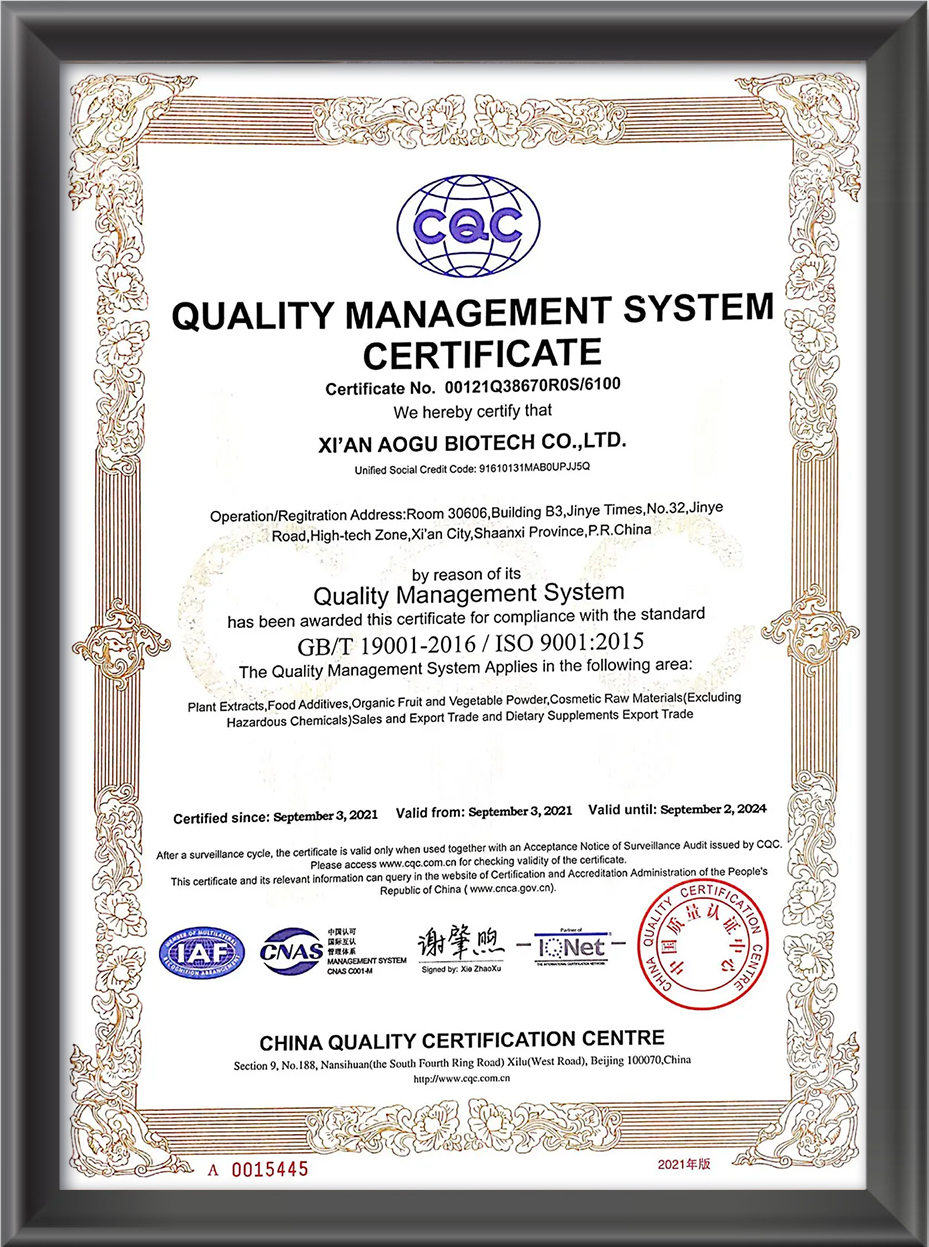
Founded in 2013 and headquartered in the prestigious high-tech zone of Xi'an, Xi'an Aoge Biotech Co., Ltd., along with its subsidiaries Xi'an Imaherb Biotech Co., Ltd. and Xi'an Nahanutri Biotech Co., Ltd., has established itself as a leading force in the cosmetics raw materials industry.
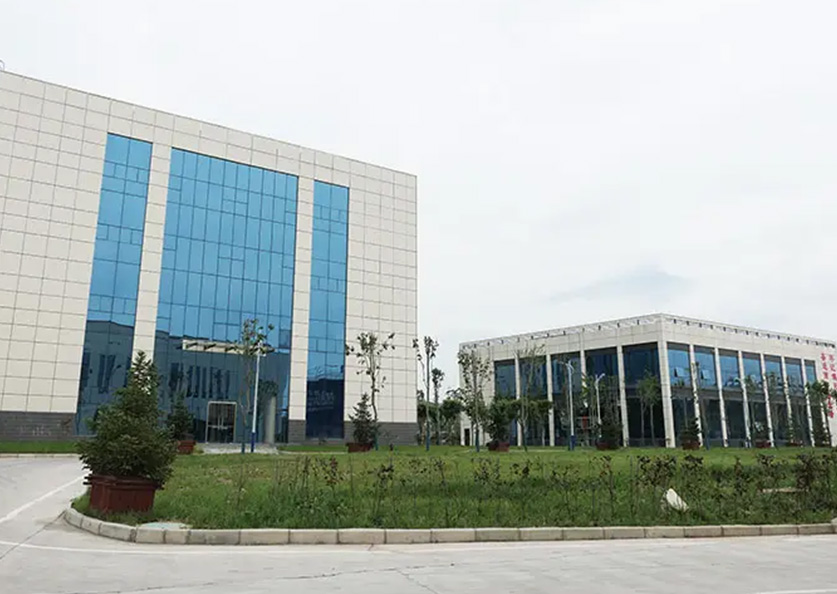
Our expansive cooperative factory, spanning 1,000 mu (approximately 165 acres), is equipped with state-of-the-art extraction technology. This advanced infrastructure allows us to manufacture a wide array of premium cosmetic raw materials. Our product line includes natural plant extracts specifically designed for organic cosmetics, as well as synthetic ingredients for high-end skincare formulations. These raw materials serve as the foundation for a multitude of skincare, haircare, and makeup products, ensuring superior quality and efficacy throughout the entire production process.
View More About UsYears of professional experience
Tons/month cosmetic raw material capacity
m² factory total area